
The Best TV Shows on Canal Brasil
Every Canal Brasil Show Ranked From Best To Worst
Notable series such as O Som do Vinil and Larica Total from Canal Brasil first graced the screens in 2007 and 2008. From 2007 through to 2026, Canal Brasil has accumulated a diverse collection of over 20 television shows. Our curated list, current as of October 2026, showcases over 20 of Canal Brasil’s highest-rated series.
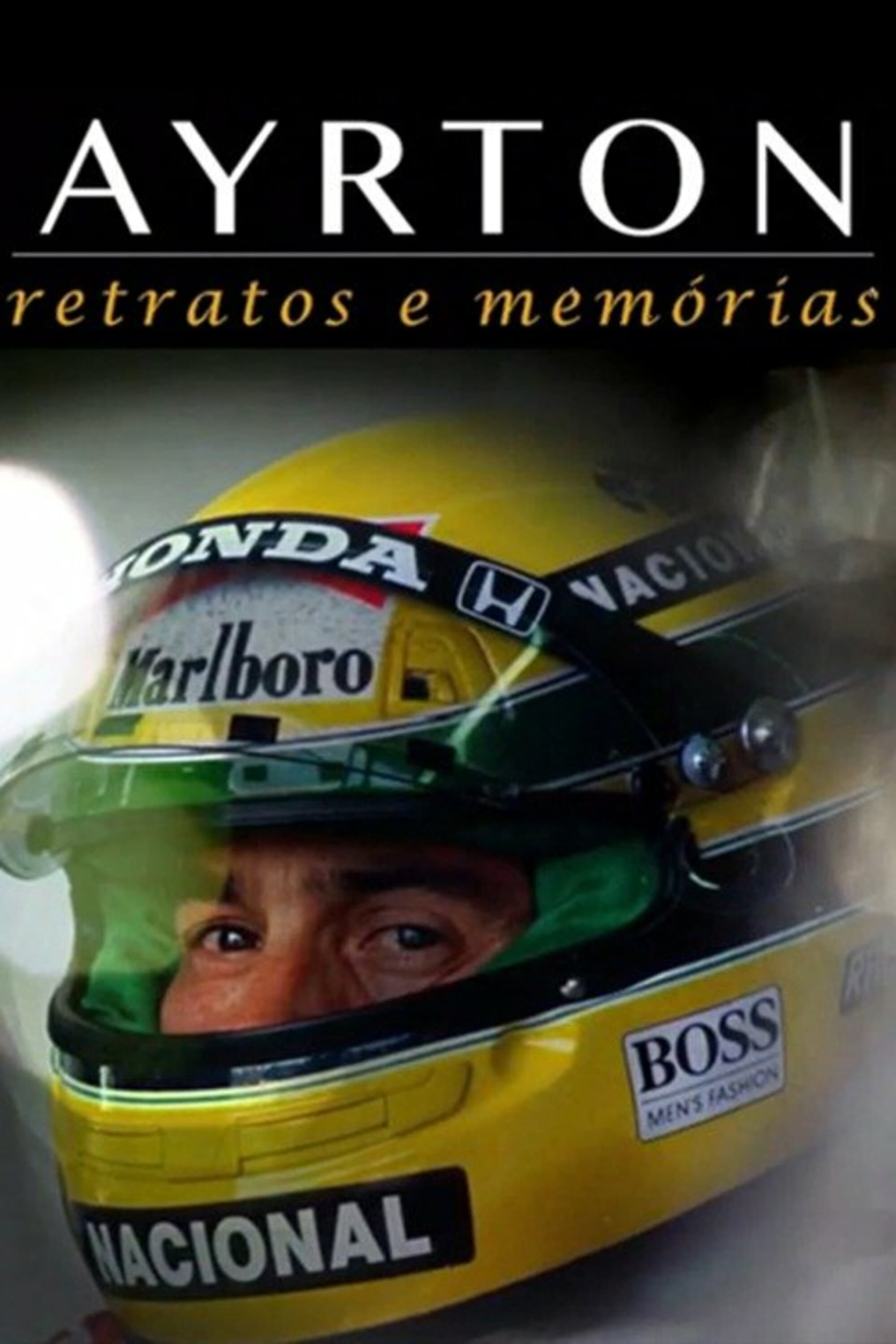 Ayrton: Retratos e Memórias (2015)10.0
A look more intimate, human and minimalist - and consequently less sporty and statistical - for the character Ayrton Senna da Silva (1960 to 1994). A chronology of events and remarkable episodes of the career and personal life of the sportsman, from the testimony of more than 50 interviewed, among pilots, former pilots, Formula 1 professionals, journalists, friends and people who were close to Senna.
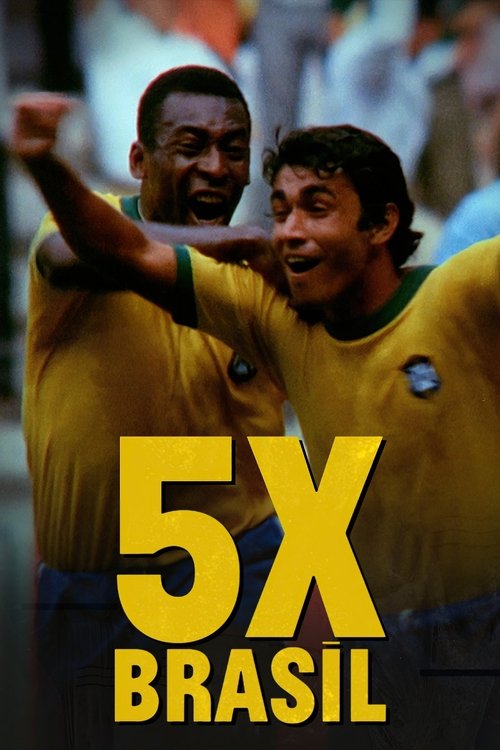 5x Brasil (2022)10.0
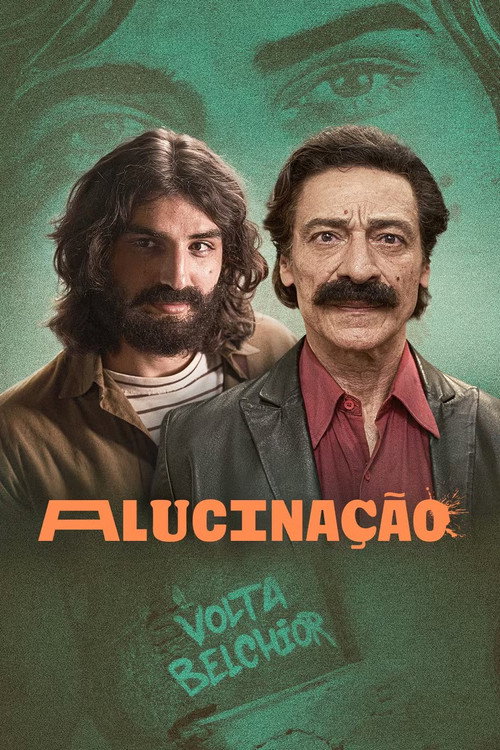 Alucinação (2026)10.0
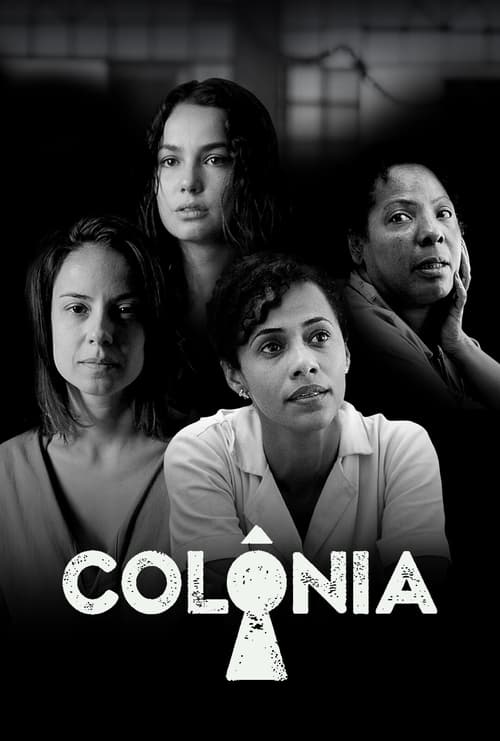 Colônia (2021)9.5
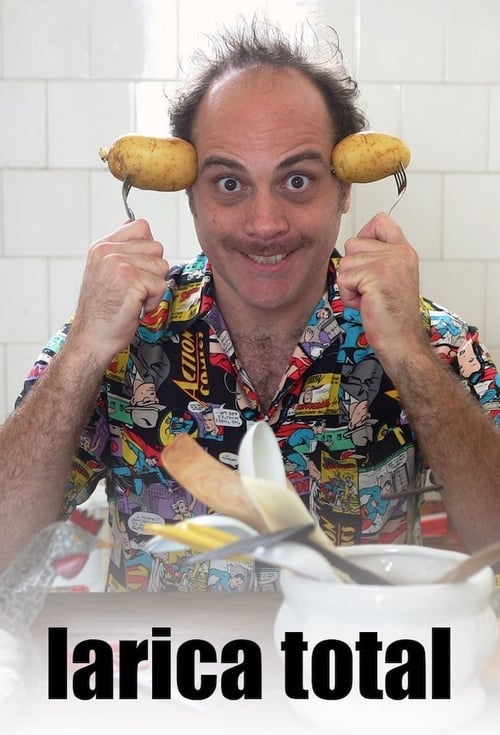 Larica Total (2008)9.2
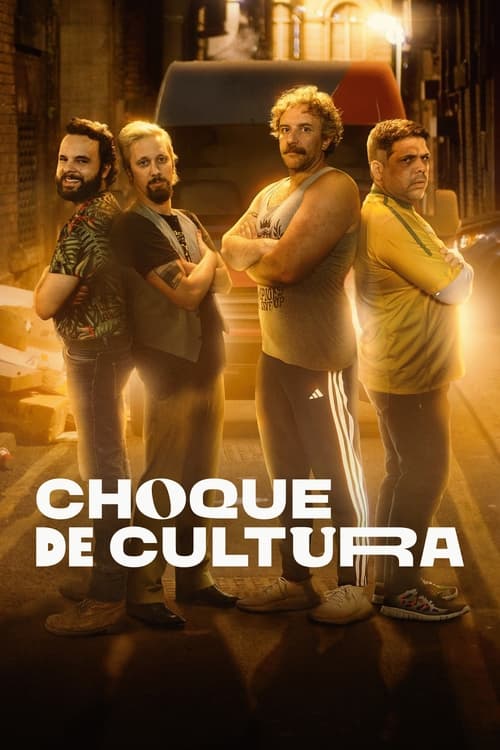 Choque de Cultura (2016)9.0
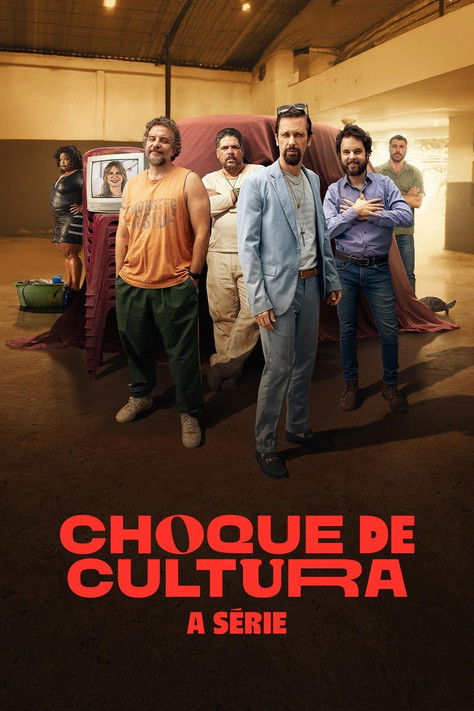 Choque de Cultura: A Série (2025)8.5
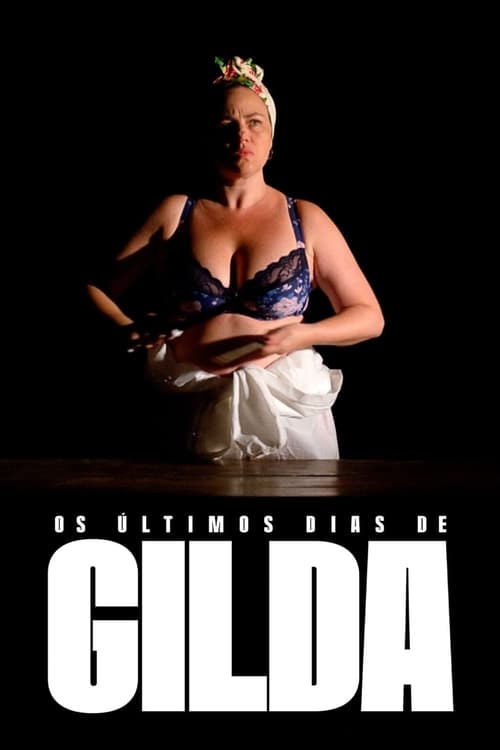 The Last Days of Gilda (2020)5.0
Gilda is a free woman, in the most literal sense of the word. She has excellent culinary skills, raises pigs and chickens in the backyard of her home for slaughter and produces recipes capable of enchanting her friends, family and lovers. Her independence bothers the neighborhood, especially Cacilda, wife of Ismael who is running for public office through a party linked to a religious group.
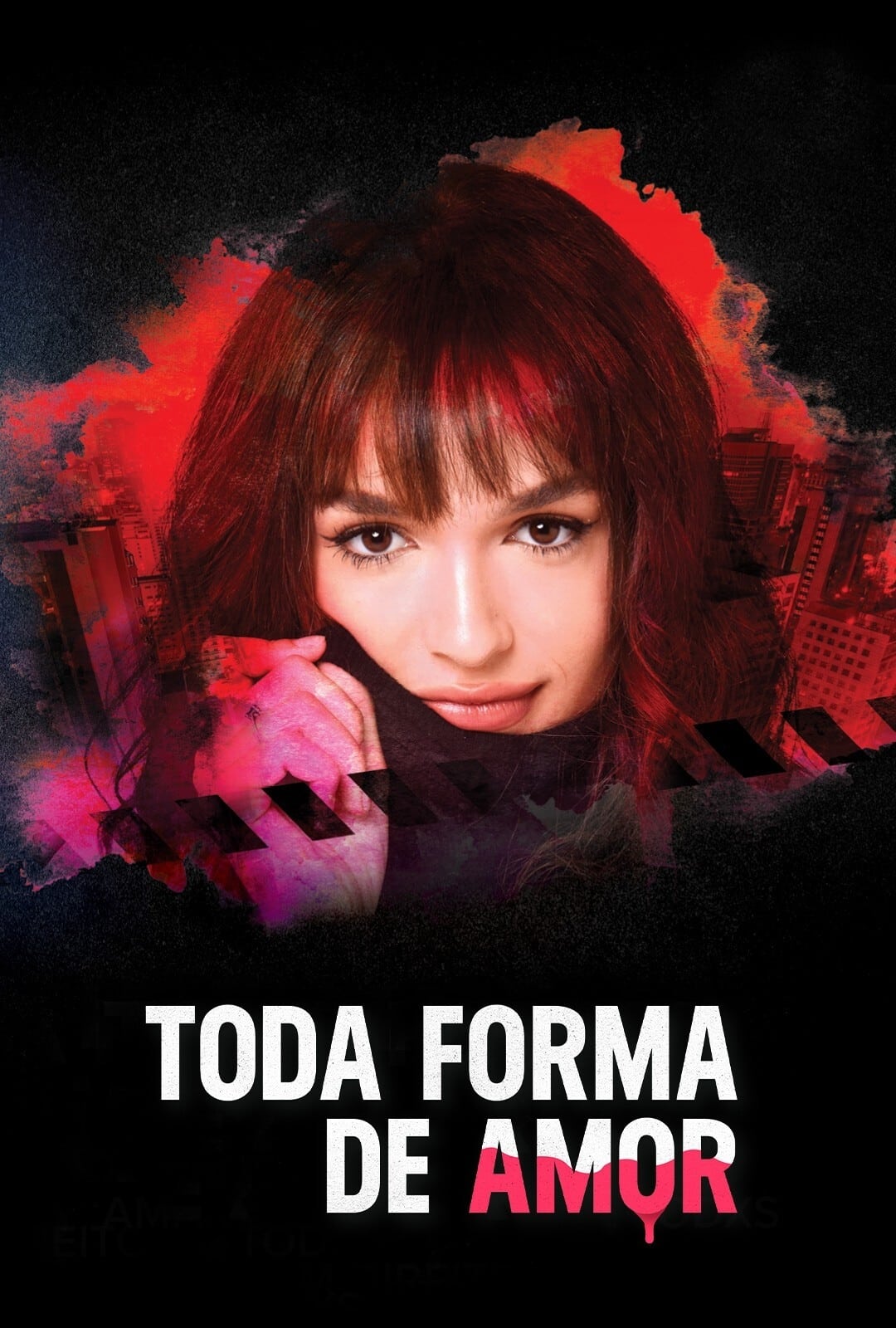 Toda Forma de Amor (2019)4.0
The nightclub "TransNight" opens while mysterious trans murders happen in São Paulo.
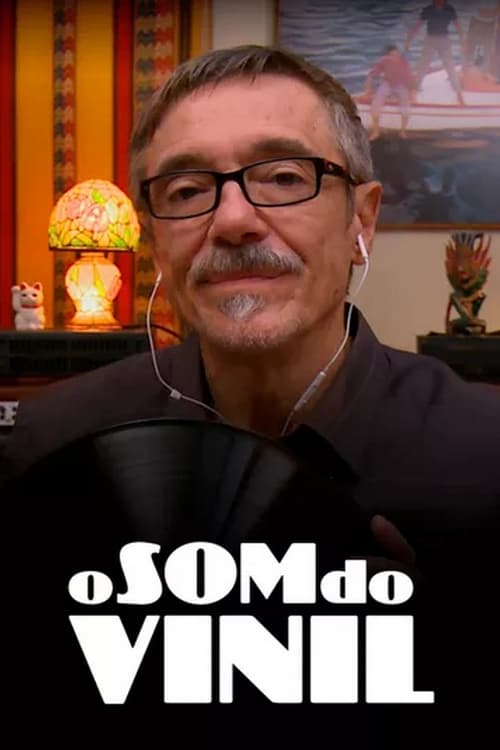 O Som do Vinil (2007)N/A
 O Papel da Vida (2012)N/A
 Tosco TV (2012)N/A
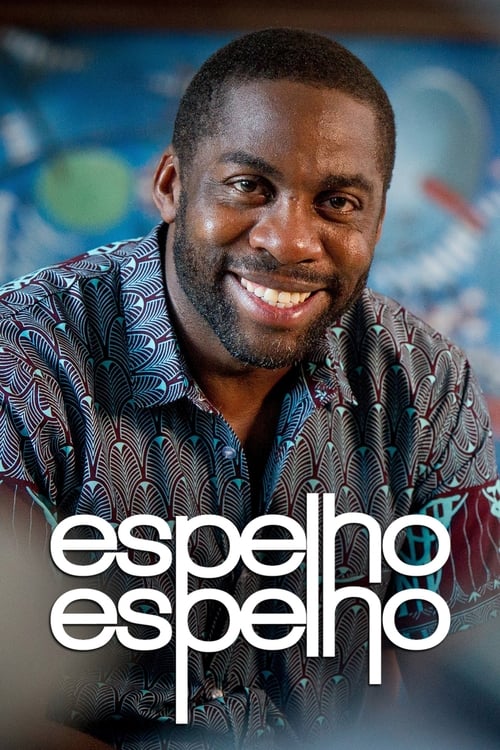 Espelho (2013)N/A
Bahian actor Lázaro Ramos hosts a program showcasing Brazilian thought themes, featuring guests from drama, music, and humor, and narrating an article from the Universal Declaration of Human Rights.
 O País do Cinema (2016)N/A
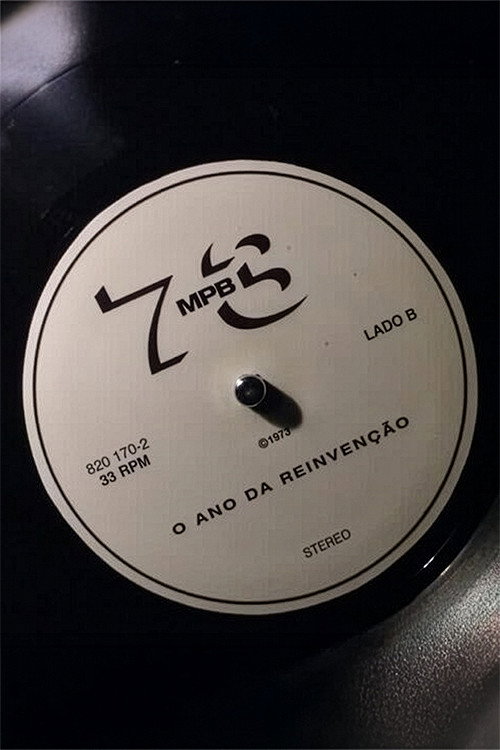 MPB 73 – O Ano Da Reinvenção (2018)N/A
The series places Brazil and the world in the context of 1973 to show how fertile that period was for local music production. Each episode addresses a specific theme—such as military regime censorship, the rise of samba at the time, Brazilian rock, the importance of iconic album covers, production outside the Rio-São Paulo axis, and the renewal of bossa nova. To this end, the series invites musicians like Odair José, Charles Gavin, and Roberto Menescal, as well as journalists such as Silvio Essinger, Paulo Cesar de Araújo, and Renato Terra, to share behind-the-scenes details from that era. Each account is complemented by extensive research, featuring performances and interviews with artists who defined the year and remain fundamental to the history of Brazilian music.
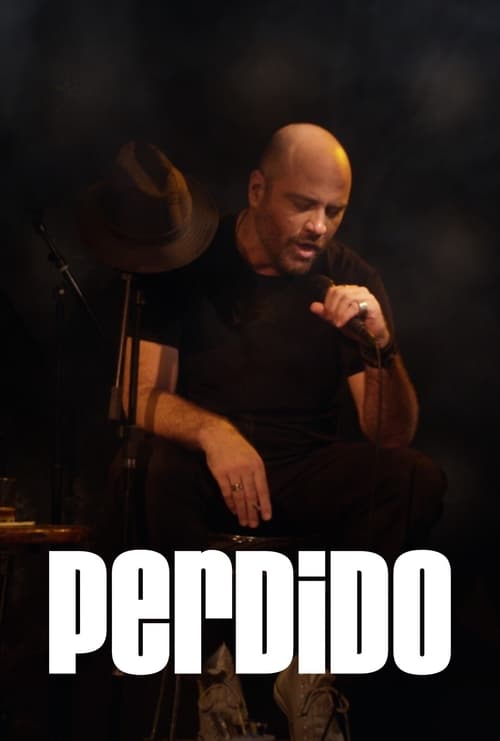 Perdido (2020)N/A
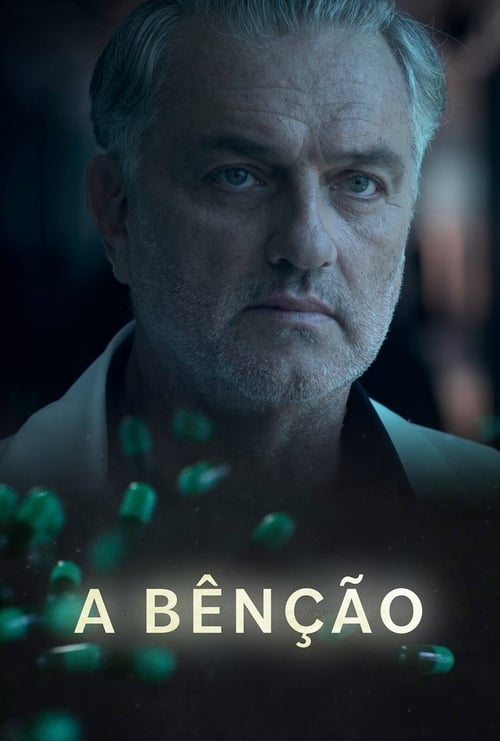 A Bênção (2020)N/A
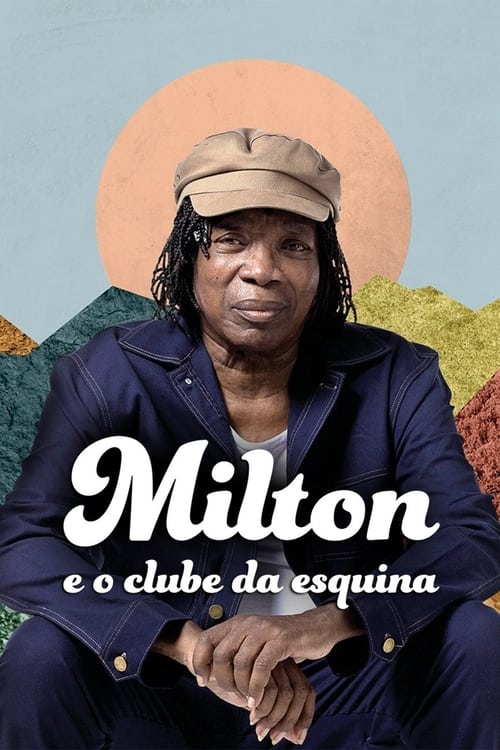 Milton e o Clube da Esquina (2020)N/A
 Fale Mais Sobre Isso, Iozzi (2022)N/A
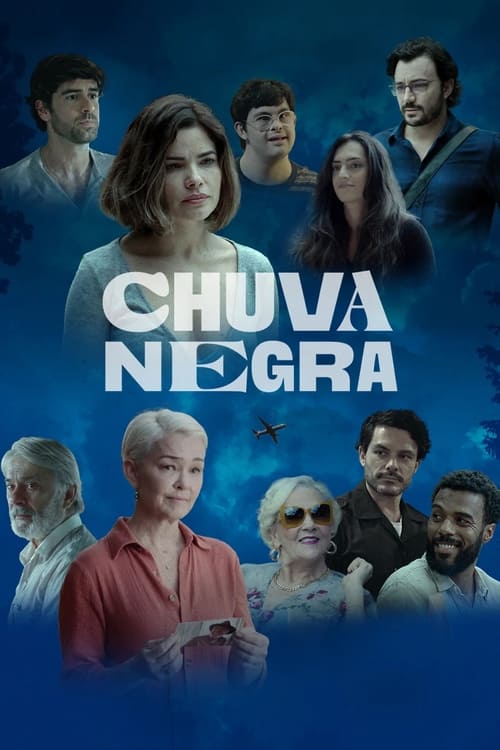 Chuva Negra (2023)N/A